
 English
  Français
  Deutsch
  italiano
How Outdoor Patio Items Supplier Choices Shape Furniture Projects
Apr 22, 2026Conversations across the outdoor furnishing sector increasingly focus on how an Outdoor Patio Items Supplier, an ODM Modern Outdoor Chair Set, and a Balcony Lounge Furniture Company can work together to meet changing expectations in residential and commercial spaces. Rather than treating these as separate roles, buyers are beginning to evaluate how supply capability, product design, and space-oriented solutions align within a single procurement strategy.
The Role Of Outdoor Furniture Supply Chains
Outdoor furniture projects often involve more than selecting finished products. A supplier’s role typically includes coordinating raw materials, managing production timelines, and ensuring compatibility between different product categories such as seating, tables, and accessories.
For buyers sourcing patio items, one practical concern is consistency across batches. Variations in color, texture, or dimensions can become noticeable when furniture is placed in open environments. This is why many procurement teams now examine how suppliers control material sourcing, especially for aluminum frames, synthetic rattan, and outdoor-grade fabrics.
Another important aspect is logistics. Outdoor furniture tends to be bulky, and shipping costs can significantly affect overall budgets. Suppliers who offer packaging optimization—such as stackable chair designs or knock-down structures—help reduce freight volume without compromising usability.
Why ODM Modern Outdoor Chair Set Development Matters
The demand for ODM (Original Design Manufacturing) solutions reflects a shift toward differentiated outdoor spaces. Rather than selecting standard catalog items, businesses such as hotels, cafés, and property developers often look for chair sets that align with their brand identity or architectural style.
ODM development typically involves several stages, including concept sketches, material selection, prototyping, and testing. Buyers who are new to this process often ask how long development takes. In many cases, the timeline depends on design complexity and tooling requirements. Simple modifications, such as adjusting dimensions or fabric colors, may require only a few weeks, while structural redesigns can extend the timeline.
Durability testing is another factor that deserves attention. Outdoor chairs are exposed to UV radiation, moisture, and temperature fluctuations. As a result, manufacturers may conduct tests related to load-bearing capacity, coating adhesion, and weather resistance. These tests are not only technical requirements but also influence long-term maintenance costs.
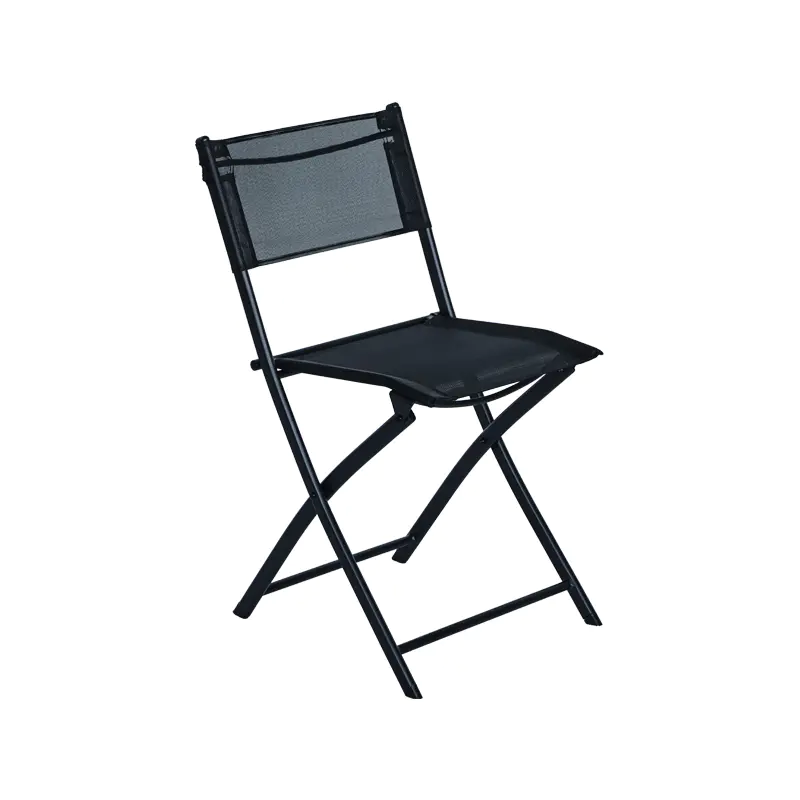
How Balcony Lounge Furniture Company Solutions Address Small Spaces
Urban living environments have driven demand for compact and adaptable furniture.
One common approach is modular design. Instead of fixed arrangements, modular seating allows users to reconfigure layouts depending on the occasion. For example, a two-seat lounge can be separated into individual chairs or combined with a small table to create a social setting.
Material choice also plays a role in small-space applications. Lightweight frames make it easier to move furniture, while foldable or stackable designs help with storage. In regions with seasonal weather changes, the ability to quickly store or protect furniture becomes particularly useful.
Additionally, visual balance matters in compact areas. Oversized furniture can make a balcony feel crowded, while undersized pieces may not provide enough comfort. Companies specializing in balcony furniture often adjust proportions to maintain both functionality and aesthetic coherence.
Evaluating Materials For Outdoor Patio Furniture
Material selection remains one of the discussed topics in outdoor furniture sourcing. Each material presents trade-offs that buyers need to understand.
Metal frames, especially aluminum, are commonly used due to their resistance to rust and relatively low weight. However, surface treatments such as powder coating are essential to maintain appearance over time. Buyers should pay attention to coating thickness and adhesion quality, as these factors influence how well the furniture withstands outdoor conditions.
Synthetic rattan is widely used for its visual similarity to natural materials combined with improved weather resistance. Still, not all synthetic fibers are the same. High-density polyethylene (HDPE) variants generally offer better durability compared to lower-grade alternatives.
For cushions, outdoor fabrics with water-resistant and UV-resistant properties are preferred. Removable covers can simplify cleaning, which is particularly relevant for hospitality environments where turnover is frequent.
Managing Cost Without Compromising Functionality
Cost control is a recurring concern, especially for large-scale projects such as resorts or residential developments. Instead of focusing solely on unit price, experienced buyers often evaluate total lifecycle cost.
For instance, a chair set with a slightly higher upfront cost may require less maintenance or replacement over time. This can result in lower overall expenditure. Similarly, standardized components across different furniture pieces can reduce spare part inventory and simplify repairs.
Another cost-related consideration is customization. While ODM solutions offer flexibility, excessive customization can increase tooling expenses and extend production timelines. A balanced approach—modifying existing designs rather than creating entirely new ones—often provides a practical compromise.
Production Transparency And Quality Control
Buyers increasingly request visibility into production processes. This includes factory audits, material certifications, and inspection reports.
Quality control typically involves multiple stages, from incoming material checks to final product inspections. For outdoor furniture, key inspection points may include weld strength, surface finishing, and assembly accuracy.
Some suppliers also provide pre-shipment inspection services, allowing buyers to verify product quality before goods leave the factory. This step can help reduce the risk of receiving defective items, particularly in international trade where returns can be costly.
Sustainability And Environmental Considerations
Environmental concerns are becoming more prominent in furniture sourcing decisions. Some buyers prioritize materials that are recyclable or sourced from managed supply chains.
Manufacturers may also adopt processes that reduce waste or energy consumption. For example, powder coating techniques can minimize emissions compared to traditional painting methods. Packaging materials are another area where improvements can be made, such as using recyclable cartons or reducing plastic usage.
While sustainability initiatives can influence purchasing decisions, they also intersect with regulatory requirements in certain markets. Understanding local regulations helps ensure compliance and avoids potential import issues.
Practical Tips For Buyers
For those new to sourcing outdoor furniture, several practical steps can help streamline the process. Requesting product samples provides a clearer understanding of material quality and construction. Reviewing technical drawings can also help identify potential issues before production begins.
Communication with suppliers is equally important. Clear specifications, including dimensions, materials, and packaging requirements, reduce the likelihood of misunderstandings. Establishing a single point of contact can further improve coordination.
Another useful approach is starting with a smaller order to evaluate supplier performance. This allows buyers to assess factors such as product quality, communication efficiency, and adherence to timelines before committing to larger volumes.
Adapting To Changing Outdoor Living Trends
Outdoor spaces are no longer limited to occasional use. They are increasingly treated as extensions of indoor living areas, influencing how furniture is designed and selected.
This shift has led to greater emphasis on comfort, durability, and visual integration. Chair sets now often incorporate ergonomic considerations, while materials are chosen to balance aesthetics with weather resistance.
As these trends continue to evolve, collaboration between suppliers, designers, and buyers becomes more important. Aligning expectations across these roles helps ensure that outdoor furniture solutions meet both functional and visual requirements without unnecessary complexity.
Contact Us
Your email address will not be published. Required field are marked*
Categories
- Company News(1)
- Industry News(30)
Product Category
Maybe there are products
that interest you




Our Products
Folding Chairs Saucer Chairs Outdoor Lounge Chairs Outdoor Tables Patio & Outdoor Furniture SetsKeep In Touch


Contact Us
Copyright © Wuyi Dingyue Leisure Products Co., Ltd. All Rights
Reserved
 Outdoor Table And Chair Sets Factory