
 English
  Français
  Deutsch
  italiano
Why Custom Balcony Comfy Chairs Gain Urban Living Attention
Apr 22, 2026Market demand for outdoor living solutions continues to expand as residential and commercial users seek more adaptable and visually coordinated environments. Within this landscape, Nice Outdoor Furniture Set Exporter, Custom Balcony Comfy Chairs, and Modern Backyard Furniture Producer have become closely connected sourcing directions for buyers evaluating comfort, durability, and design compatibility. This report examines how these segments function together, what practical factors should be considered during procurement, and how users can align product selection with real usage scenarios.
Why Outdoor Furniture Design Now Focuses On Everyday Living Needs
Outdoor furniture is no longer limited to occasional use. Balconies, patios, and backyards are increasingly treated as extensions of indoor living areas. This shift influences how furniture is designed, particularly in terms of comfort, proportion, and material selection.
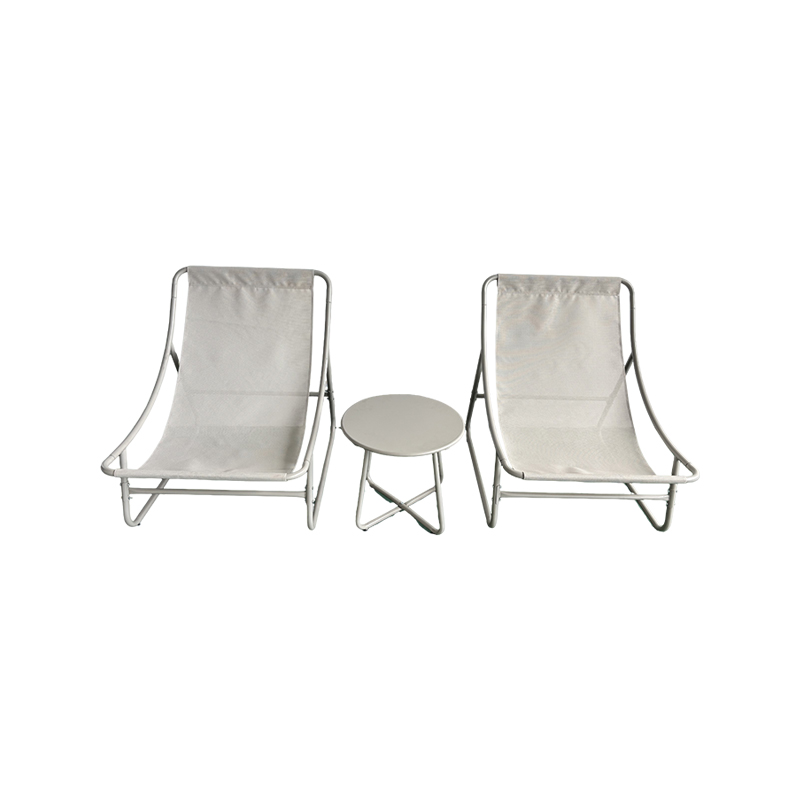
Chairs designed for balconies, for example, must consider limited space while still offering ergonomic support. Compact frames, curved backrests, and breathable seating materials are often used to enhance comfort without occupying excessive room. Meanwhile, backyard furniture sets are expected to accommodate multiple users, requiring stronger structures and more weather-resistant finishes.
Buyers should evaluate whether a furniture set matches its intended usage frequency. Occasional-use products may prioritize portability, while daily-use items require more attention to structural stability and long-term wear resistance.
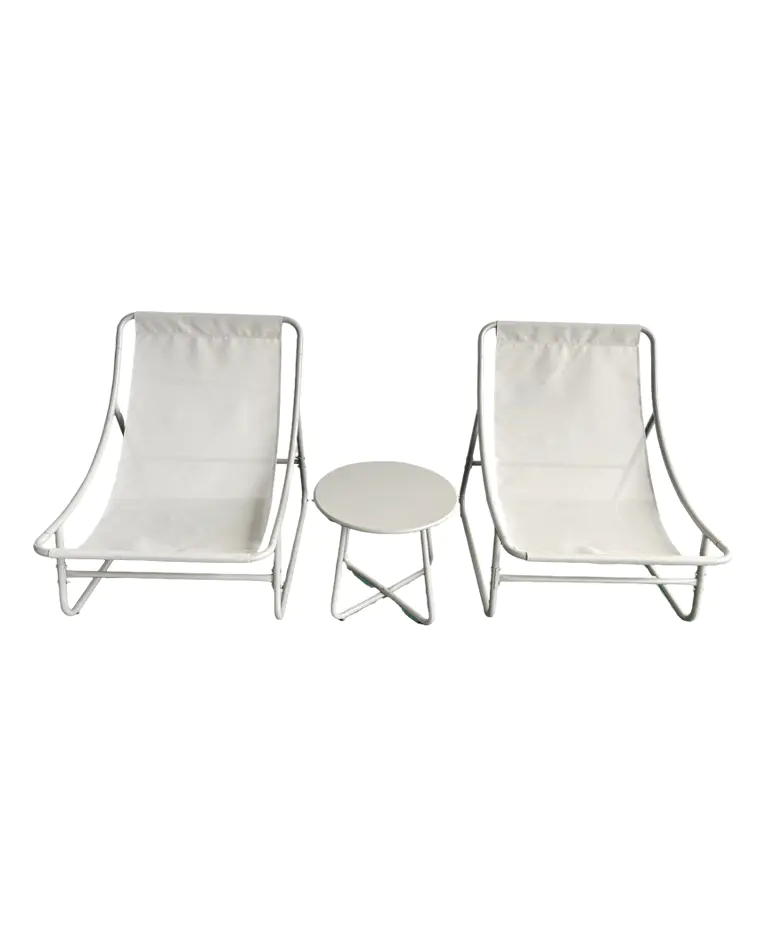
What Defines A Practical Nice Outdoor Furniture Set Exporter
An exporter’s role goes beyond supplying finished products. It involves coordinating production schedules, managing logistics, and ensuring that goods meet the expectations of different markets. Buyers working with exporters should examine documentation practices, including product specifications, packaging details, and compliance certifications.
Consistency in product batches is another key consideration. Variations in color, size, or material can create challenges for distributors or retailers. Exporters who maintain standardized processes can help reduce these inconsistencies.
Communication also plays an important role. Clear timelines, transparent updates, and responsiveness to inquiries contribute to smoother transactions. Buyers may benefit from working with exporters who provide detailed pre-shipment information, including photos or inspection reports.
How Custom Balcony Comfy Chairs Address Space Limitations
Balcony furniture often requires customization due to varying dimensions and layouts. Custom chairs allow buyers to adjust width, height, and seating angles to better fit specific spaces. This is particularly relevant for urban apartments where balconies are relatively small.
Material selection also influences usability. Lightweight aluminum frames are commonly used to reduce weight, while weather-resistant fabrics help maintain performance under exposure to sunlight and moisture. Cushion density and fabric breathability contribute to seating comfort, especially in warmer climates.
Another aspect of customization involves visual integration. Buyers may request specific colors or finishes to match surrounding décor. Neutral tones are often preferred for flexibility, but customized palettes can help create a more cohesive outdoor environment.
Where Modern Backyard Furniture Producer Adds Value To Large Spaces
Backyard furniture producers typically focus on creating coordinated sets that include seating, tables, and sometimes shading structures. These products are designed for larger outdoor areas where multiple users gather for dining or leisure activities.
Structural design becomes more complex in these cases. Tables may include reinforced frames to support heavier loads, while seating options often incorporate modular elements that can be rearranged based on user needs. This flexibility allows homeowners or businesses to adapt layouts for different occasions.
Durability is another key factor. Backyard furniture is exposed to varying weather conditions, including sunlight, rain, and temperature changes. Materials such as powder-coated steel, treated wood, and synthetic rattan are commonly used to address these challenges.
When Should Buyers Consider Customization Over Standard Products
Customization is not always necessary, but it becomes valuable in certain situations. Projects with specific spatial constraints or branding requirements often benefit from tailored solutions. For example, hospitality businesses may request furniture that aligns with their visual identity.
Customized products typically require longer production periods compared to standard items. Buyers should plan accordingly, especially when working with seasonal demand cycles.
Cost differences should also be evaluated. While customization may increase initial expenses, it can improve long-term usability by ensuring that products fit their intended environment more effectively.
Who Typically Sources From Outdoor Furniture Exporters
A wide range of buyers engage with outdoor furniture exporters. Retailers and wholesalers often purchase in bulk to supply local markets. Event organizers may require large quantities of furniture for temporary setups, while hospitality businesses use outdoor furniture to enhance guest experiences.
Individual consumers also participate in this market, particularly when purchasing through online platforms. Their preferences often focus on comfort, aesthetics, and ease of maintenance.
Understanding the target audience helps buyers select appropriate product specifications. Commercial users may prioritize durability and uniformity, while residential users may focus more on design and comfort.
How To Evaluate Material Performance In Outdoor Furniture
Material performance plays a central role in determining product lifespan. Metal frames should be treated to resist corrosion, especially in humid or coastal environments. Powder coating is a common method used to protect steel components.
Wooden elements require proper sealing to prevent moisture absorption and cracking. Teak and acacia are often used due to their natural resistance to outdoor conditions, although maintenance is still necessary over time.
Synthetic materials such as resin wicker provide an alternative to natural fibers. They are designed to withstand exposure to sunlight and moisture without significant degradation. Buyers should verify material specifications and request samples when possible.
Managing Logistics And Packaging For Export Furniture Orders
Shipping outdoor furniture involves careful planning to reduce damage and optimize space usage. Folding or stackable designs can reduce shipping volume, which in turn affects transportation costs.
Packaging methods vary depending on product type. Protective layers such as foam, plastic wrapping, and reinforced cartons are commonly used to prevent scratches or structural damage during transit.
Buyers should also consider import regulations and documentation requirements. Proper labeling and compliance with local standards help ensure smooth customs clearance. Working with experienced exporters can simplify this process.
Design Trends Influencing Custom Balcony Comfy Chairs And Backyard Sets
Recent design trends reflect a balance between functionality and visual simplicity. Clean lines, neutral color schemes, and modular structures are widely adopted across different product categories.
Balcony chairs increasingly incorporate ergonomic features such as adjustable backrests and breathable cushions. Backyard furniture sets often emphasize modular arrangements, allowing users to reconfigure layouts based on changing needs.
There is also growing interest in environmentally conscious materials. Some manufacturers are exploring recycled plastics and sustainably sourced wood. Buyers interested in these options should inquire about material origins and production methods.
Maintenance Practices That Extend Furniture Lifespan
Regular maintenance helps preserve both appearance and functionality. Cleaning surfaces with mild detergents can remove dirt and prevent buildup that may affect material performance. Metal components should be inspected periodically for signs of wear or corrosion.
Cushions and fabric elements benefit from proper storage when not in use. Keeping them in dry environments reduces the risk of mold or fading. Protective covers can also be used to shield furniture from prolonged exposure to weather conditions.
Replacement parts availability is another practical consideration. Components such as screws, connectors, or cushion covers may need to be replaced over time. Buyers should confirm whether suppliers can provide these parts when needed.
Contact Us
Your email address will not be published. Required field are marked*
Categories
- Company News(1)
- Industry News(29)
Product Category
Maybe there are products
that interest you




Our Products
Folding Chairs Saucer Chairs Outdoor Lounge Chairs Outdoor Tables Patio & Outdoor Furniture SetsKeep In Touch


Contact Us
Copyright © Wuyi Dingyue Leisure Products Co., Ltd. All Rights
Reserved
 Outdoor Table And Chair Sets Factory