
 English
  Français
  Deutsch
  italiano
How Outdoor Table And Chair Sets Factory Shapes Patio Choices
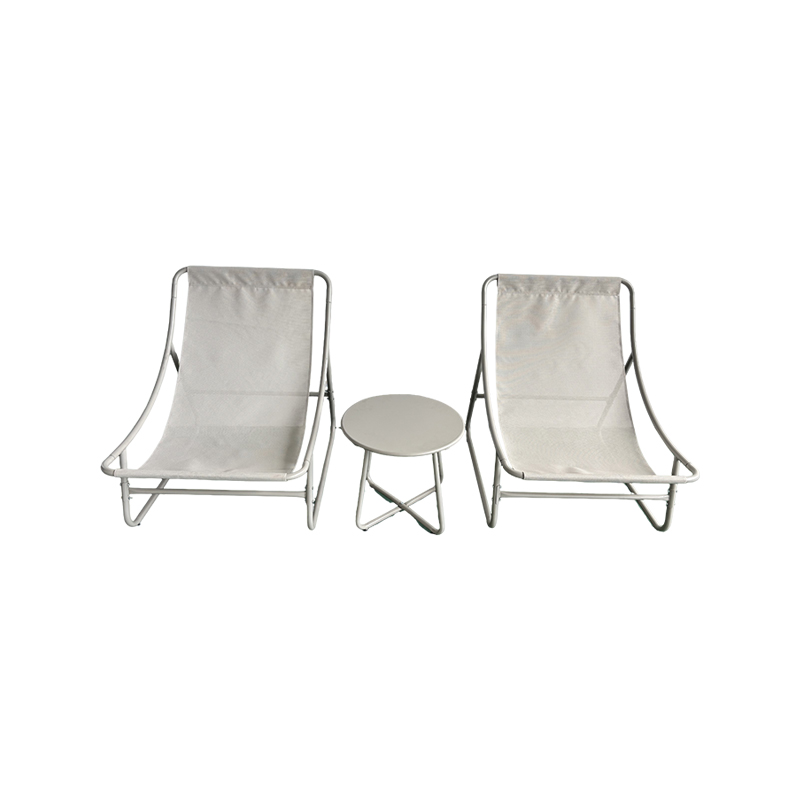
Apr 22, 2026The discussion around outdoor living continues to evolve as more buyers evaluate sourcing options such as an Outdoor Table and Chair Sets Factory, compare Patio Furniture That Lasts For Sale, and assess a Sale Modern Patio Chair Set for both residential and commercial environments. These considerations reflect a shift toward practical purchasing decisions where durability, material selection, and long-term usability matter more than visual appeal alone.
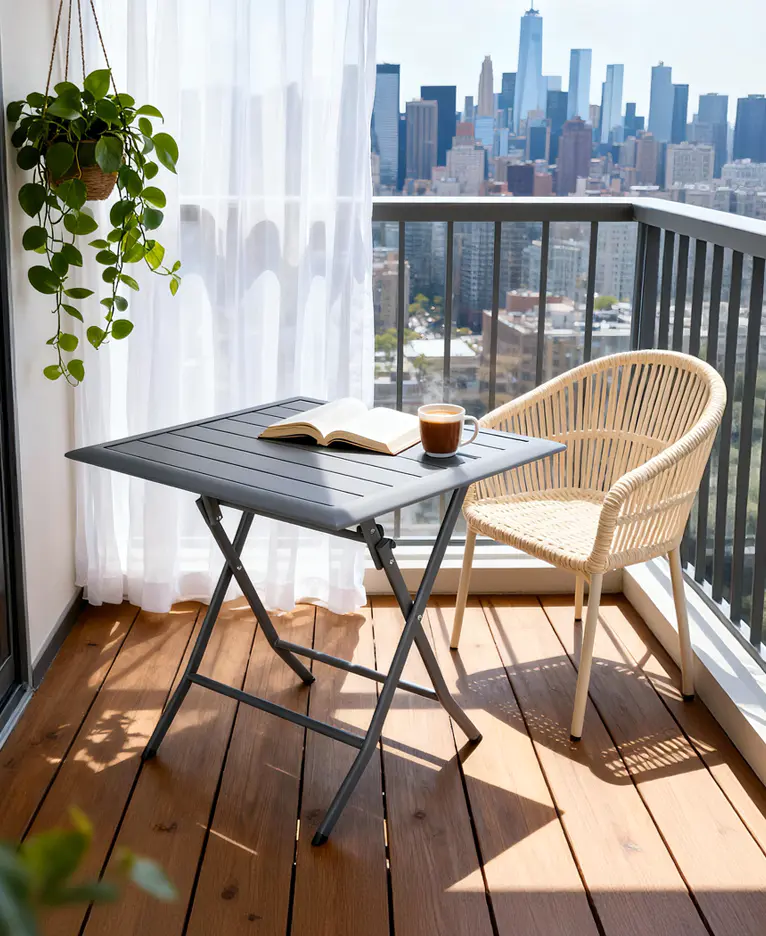
Changing Expectations In Outdoor Furniture Procurement
Outdoor furniture is no longer treated as a short-term seasonal purchase. Buyers today are paying closer attention to how products perform under continuous exposure to sunlight, humidity, and temperature fluctuations. This shift has influenced how factories design and manufacture table and chair sets, with greater emphasis on structural integrity and weather resistance.
Factories are adjusting production processes to align with these expectations. Powder-coated metal frames, UV-stabilized plastics, and treated wood surfaces are becoming standard configurations. These material decisions are not purely aesthetic—they directly impact how often furniture needs to be replaced, which is a key concern for both homeowners and bulk buyers such as hospitality operators.
What Defines Long-Lasting Patio Furniture In Practice
When evaluating patio furniture that lasts, the concept extends beyond material labels. Longevity is shaped by a combination of engineering details, environmental compatibility, and maintenance routines.
For example, aluminum frames are often chosen for their resistance to corrosion, but their thickness and joint construction determine how well they handle weight and repeated use. Similarly, synthetic rattan may resist moisture, yet its weaving density and internal support structure influence how quickly it deforms over time.
Buyers who focus only on surface descriptions often overlook these factors. A more practical approach involves reviewing product specifications such as frame gauge, connection methods (welded versus bolted), and fabric density for cushions. These details provide clearer insight into how furniture will perform after months or years of use.
How Factories Approach Material Selection And Testing
An Outdoor Table and Chair Sets Factory typically follows a structured approach to material sourcing and validation. Raw materials are tested for tensile strength, resistance to UV degradation, and tolerance to moisture exposure. These tests simulate real-world conditions, helping manufacturers identify weaknesses before products reach the market.
For instance, coatings applied to metal frames undergo salt spray testing to evaluate corrosion resistance. Fabrics used in cushions may be tested for colorfastness and abrasion resistance. While these tests are conducted in controlled environments, they offer useful indicators of how furniture will behave outdoors.
Understanding whether a supplier performs such testing can help buyers avoid products that may look similar but differ significantly in performance.
Evaluating Modern Patio Chair Sets Beyond Design Trends
The popularity of a Sale Modern Patio Chair Set often stems from its clean lines and adaptable design. However, appearance should not be the sole factor influencing purchase decisions.
Modern chair sets frequently use lightweight materials to achieve a minimal look, but this can sometimes affect stability. Buyers should consider weight distribution, leg structure, and anti-slip features, especially for use on smooth surfaces like tiles or decking.
Ergonomics also plays a role. Seat depth, backrest angle, and cushion thickness contribute to comfort during extended use. These factors are particularly important in commercial settings where guests may spend hours seated.
Practical Considerations For Different Outdoor Environments
Not all outdoor spaces present the same challenges. Furniture that performs well in a shaded garden may not withstand conditions on an exposed rooftop or coastal patio.
In high-sun areas, UV resistance becomes a priority. Materials that fade or become brittle under prolonged sunlight can shorten the usable lifespan of furniture. In humid or coastal regions, corrosion resistance is more critical due to salt exposure and moisture.
Buyers should match furniture specifications with environmental conditions rather than relying on general descriptions. This alignment reduces the likelihood of premature wear and replacement.
Cost Versus Longevity: A Balanced Perspective
Price remains a central factor in purchasing decisions, yet it should be evaluated alongside expected lifespan. Lower-cost options may seem attractive initially but can result in higher replacement frequency, increasing overall expenditure over time.
Conversely, higher-priced furniture does not automatically guarantee durability. The key lies in understanding what contributes to cost—material quality, manufacturing processes, and testing standards—and whether these elements align with intended use.
A balanced evaluation involves comparing initial investment with maintenance requirements and expected service life. This approach helps buyers make decisions that reflect both budget constraints and long-term value.
Maintenance Practices That Extend Furniture Lifespan
Even well-constructed furniture requires proper care to maintain performance. Maintenance routines vary depending on material type but generally include regular cleaning, protective storage, and periodic inspections.
Metal frames benefit from cleaning to remove dirt and moisture that may accelerate corrosion. Wooden components may require sealing or oiling to prevent cracking. Cushions should be stored in dry conditions when not in use to avoid mold or fabric degradation.
Understanding these requirements before purchase allows buyers to choose products that align with their willingness and ability to perform maintenance.
Supply Chain Transparency And Buyer Confidence
Transparency in manufacturing and supply chains has become increasingly relevant. Buyers are showing greater interest in how and where products are made, as well as the standards followed during production.
Factories that provide clear information about materials, testing procedures, and quality control processes tend to build stronger trust with clients. This transparency can also simplify decision-making, as buyers have access to the data needed to compare options effectively.
For businesses sourcing in bulk, such as hotels or event venues, this level of clarity is particularly valuable when planning long-term investments.
Customization Trends In Outdoor Furniture Manufacturing
Customization is gaining traction as buyers seek furniture that fits specific spatial and functional requirements. An Outdoor Table and Chair Sets Factory may offer variations in size, color, and material combinations to accommodate different project needs.
This flexibility is especially relevant for commercial applications where uniformity and branding are important.
However, customized products may involve longer production times and additional costs, which should be factored into planning.
How Market Demand Influences Product Development
The demand for Patio Furniture That Lasts For Sale is shaping how manufacturers prioritize product development. Rather than focusing solely on visual appeal, there is a growing emphasis on performance metrics and user experience.
This shift is evident in the integration of modular designs, which allow users to reconfigure furniture layouts, and in the use of hybrid materials that combine durability with lighter weight. These innovations reflect an effort to address practical challenges faced by users in diverse environments.
As market expectations continue to evolve, manufacturers are likely to refine these approaches further, balancing design considerations with functional requirements.
Final Observations On Selecting Outdoor Furniture
Choosing outdoor furniture involves more than selecting a style or matching a color scheme. It requires a clear understanding of how materials, construction methods, and environmental factors interact over time. Whether sourcing from an Outdoor Table and Chair Sets Factory or evaluating a Sale Modern Patio Chair Set, the focus should remain on how well the product meets specific usage needs.
Contact Us
Your email address will not be published. Required field are marked*
Categories
- Company News(1)
- Industry News(29)
Product Category
Maybe there are products
that interest you




Our Products
Folding Chairs Saucer Chairs Outdoor Lounge Chairs Outdoor Tables Patio & Outdoor Furniture SetsKeep In Touch


Contact Us
Copyright © Wuyi Dingyue Leisure Products Co., Ltd. All Rights
Reserved
 Outdoor Table And Chair Sets Factory