
 English
  Français
  Deutsch
  italiano
Folding Tables And Chairs Manufacturer Adapts To Changing Outdoor Needs
Apr 22, 2026Procurement trends in outdoor furniture continue to evolve as buyers look for adaptable solutions across commercial, recreational, and residential settings. Within this context, Folding Tables and Chairs Manufacturer, External Furniture Wholesaler, and China Outdoor Beach Chairs have become closely connected search directions for importers and distributors seeking practical sourcing strategies. The discussion below focuses on how these sectors interact, what buyers should evaluate before purchasing, and how product selection can better match real-world usage scenarios.
Why Do Buyers Turn To Folding Tables And Chairs For Outdoor Projects
Mobility and storage efficiency often drive purchasing decisions in outdoor furniture. Folding tables and chairs are commonly used in event management, rental services, camping setups, and temporary dining areas. Their structure allows users to transport, deploy, and store furniture without complex tools or permanent installation.
Manufacturers typically design these products with lightweight metal frames, plastic tabletops, or treated wood surfaces. Buyers should pay attention to load-bearing capacity, hinge durability, and surface resistance to weather exposure. For example, powder-coated steel frames can reduce corrosion risks, while high-density polyethylene (HDPE) surfaces help prevent moisture absorption.
From a sourcing perspective, understanding the intended use environment is essential. Furniture used for beach events will face different conditions compared to garden or patio setups. Sand exposure, humidity, and UV radiation all influence material selection.
What Should Be Evaluated When Choosing An External Furniture Wholesaler
Working with an external furniture wholesaler involves more than comparing prices. Buyers should assess supply chain consistency, communication efficiency, and product documentation. A wholesaler’s ability to provide stable inventory levels can directly affect project timelines, especially for large-scale orders.
Another important factor is product standardization. Consistent sizing, color matching, and packaging design make it easier for distributors to manage resale or branding. Some wholesalers also offer OEM or private label services, which can be useful for companies building their own product lines.
Inspection policies are equally relevant. Buyers may request pre-shipment inspections or third-party quality checks to confirm that goods meet agreed specifications. This becomes particularly important when sourcing from overseas markets, where direct factory visits may not always be feasible.
How Does A Folding Tables And Chairs Manufacturer Ensure Product Durability
Durability in folding furniture depends heavily on structural design and material treatment. Manufacturers often reinforce stress points such as hinges, locking mechanisms, and leg joints. These areas experience repeated motion and weight pressure, making them critical to long-term usability.
Surface finishing also plays a role. Anti-UV coatings can reduce fading and material degradation under sunlight, while anti-slip foot pads improve stability on uneven ground. For tables, reinforced support bars underneath the tabletop help distribute weight more evenly.
Testing procedures vary between manufacturers, but common practices include load testing, folding cycle testing, and environmental exposure simulations. Buyers should request documentation or testing reports when evaluating suppliers, especially for commercial applications.
Where Are China's outdoor beach chairs commonly used
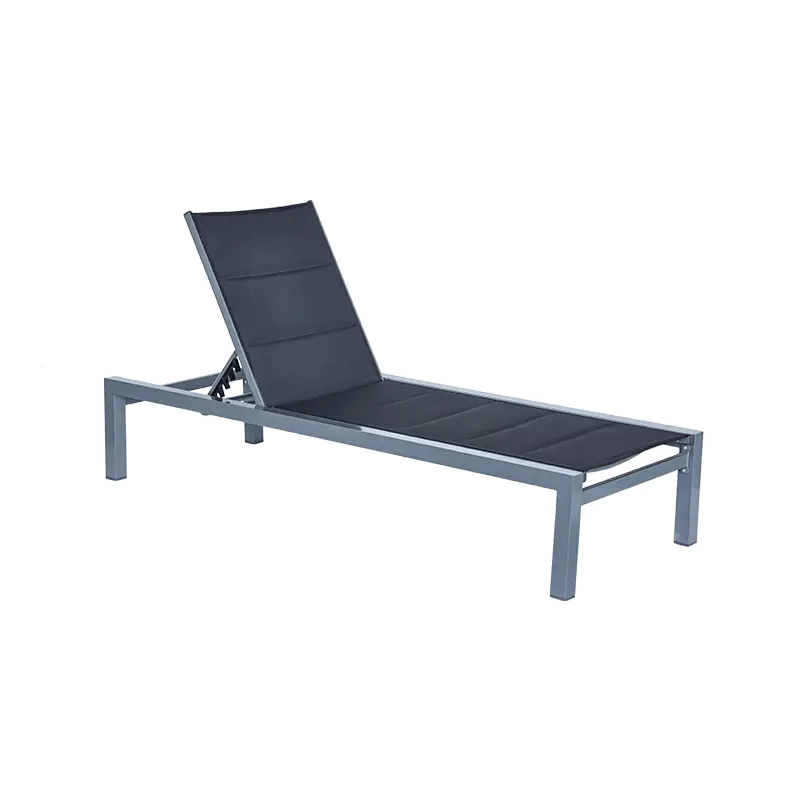
Outdoor beach chairs manufactured in China are widely distributed across global markets due to their variety in design and cost structure. These chairs are not limited to beaches; they are also used in camping sites, music festivals, poolside lounges, and outdoor cafés.
Design variations include reclining chairs, low-profile sand chairs, and portable backpack-style models. Each type serves a different purpose. For instance, reclining chairs are more suitable for extended relaxation, while lightweight folding chairs are preferred for mobility.
Material choices often include aluminum frames combined with fabric seating. Aluminum reduces overall weight and resists rust, making it suitable for humid environments. Fabric components are usually made from polyester or Oxford cloth, which can handle exposure to sunlight and moisture.
When Is It More Practical To Source From A Wholesaler Instead Of A Factory
Choosing between a wholesaler and a manufacturer depends on order volume and customization needs. Wholesalers typically maintain ready stock, allowing faster delivery for standard products. This is useful for buyers who need immediate replenishment or operate on shorter sales cycles.
Factories, on the other hand, are more suitable for customized orders or large-scale production. They can adjust specifications such as size, color, branding, and packaging.
For some buyers, a hybrid approach works effectively—sourcing standard items from wholesalers while placing custom orders directly with manufacturers. This balances flexibility with efficiency.
Who Benefits From Folding Outdoor Furniture Solutions
Several industries benefit from folding tables, chairs, and beach seating products. Event organizers rely on them for temporary setups such as weddings, exhibitions, and public gatherings. Rental companies use them due to their ease of transport and storage.
Hospitality businesses, including resorts and cafés, also integrate folding furniture into outdoor service areas. These products allow businesses to expand or reduce seating capacity depending on demand. Additionally, individual consumers use them for travel, picnics, and backyard activities.
Understanding the end-user helps buyers select appropriate specifications. For example, commercial users may prioritize durability and uniform appearance, while individual consumers may focus more on portability and comfort.
How Can Buyers Balance Cost And Quality In Outdoor Furniture Procurement
Balancing cost and quality requires a structured evaluation process. Instead of focusing solely on unit price, buyers should consider total cost over the product lifecycle. Lower-priced items may require more frequent replacement, causing higher long-term expenses.
Material quality, production consistency, and after-sales support all contribute to overall value. Buyers can request samples before placing bulk orders to verify product performance. Comparing multiple suppliers also provides a clearer understanding of market pricing.
Shipping and logistics costs should not be overlooked. Folding furniture often reduces shipping volume due to its compact design, which can lower transportation expenses. Packaging efficiency plays a role here as well.
Exploring Design Trends In China Outdoor Beach Chairs And Folding Furniture
Design trends in outdoor furniture continue to shift toward user comfort and aesthetic versatility. Adjustable backrests, breathable fabrics, and ergonomic shapes are becoming more common in beach chairs. Neutral color palettes are widely used to match different outdoor environments.
For folding tables and chairs, there is increasing interest in multi-functional designs. Some tables include adjustable heights, while certain chairs integrate cup holders or storage pockets. These features aim to enhance usability without significantly increasing complexity.
Sustainability is also gaining attention. Some manufacturers are exploring recyclable materials and reducing packaging waste. Buyers interested in environmentally conscious sourcing may inquire about material origins and production practices.
Practical Considerations For Long-Term Use And Maintenance
Proper maintenance extends the lifespan of outdoor furniture. Regular cleaning helps prevent buildup of sand, dirt, and moisture, which can affect both appearance and function. Metal components should be checked periodically for signs of rust or wear.
Storage conditions matter as well. Even weather-resistant products benefit from being stored in dry environments when not in use. Folding furniture should be fully dry before storage to avoid mold or material degradation.
Replacement parts availability is another factor to consider. Components such as screws, hinges, or fabric covers may need replacement over time. Working with suppliers who can provide spare parts simplifies maintenance and reduces downtime.
Supply Chain Transparency And Communication In Global Sourcing
Clear communication between buyers, wholesalers, and manufacturers supports smoother transactions. Product specifications, packaging details, and delivery schedules should be documented in detail. Misunderstandings in these areas can cause delays or mismatched expectations.
Digital tools such as video inspections and real-time production updates are increasingly used to improve transparency. Buyers who establish long-term partnerships with suppliers often benefit from more consistent service and better coordination.
Trade regulations and import requirements should also be reviewed before placing orders. Compliance with local standards ensures that products can enter target markets without complications.
Final Thoughts Integrated Into Ongoing Procurement Decisions
Outdoor furniture sourcing involves multiple layers, from product design and material selection to logistics and supplier relationships. Folding tables and chairs, along with beach seating products, continue to serve a wide range of applications due to their adaptability. By evaluating manufacturers and wholesalers with a focus on practical usage, buyers can make more informed decisions that align with their operational needs.
Contact Us
Your email address will not be published. Required field are marked*
Categories
- Company News(1)
- Industry News(29)
Product Category
Maybe there are products
that interest you




Our Products
Folding Chairs Saucer Chairs Outdoor Lounge Chairs Outdoor Tables Patio & Outdoor Furniture SetsKeep In Touch


Contact Us
Copyright © Wuyi Dingyue Leisure Products Co., Ltd. All Rights
Reserved
 Outdoor Table And Chair Sets Factory