
 English
  Français
  Deutsch
  italiano
Modern Patio Chair Set Creates Relaxing Outdoor Wellness Corners Today
May 15, 2026Modern Patio Chair Set and High End Modern Outdoor Furniture are being used in a wider range of outdoor wellness-focused environments where seating design is connected with rest behavior, spatial comfort, and environmental adaptation. As outdoor areas shift toward slower-paced usage such as reading corners, meditation spaces, and casual recovery zones, furniture structure and layout planning become part of how these spaces are shaped.
Outdoor wellness corners are no longer treated as decorative extensions of buildings. They are now arranged with attention to user flow, shade exposure, seating distance, and long-duration sitting comfort. This shift is influencing how modern seating systems are designed and placed across residential, hospitality, and shared public environments.
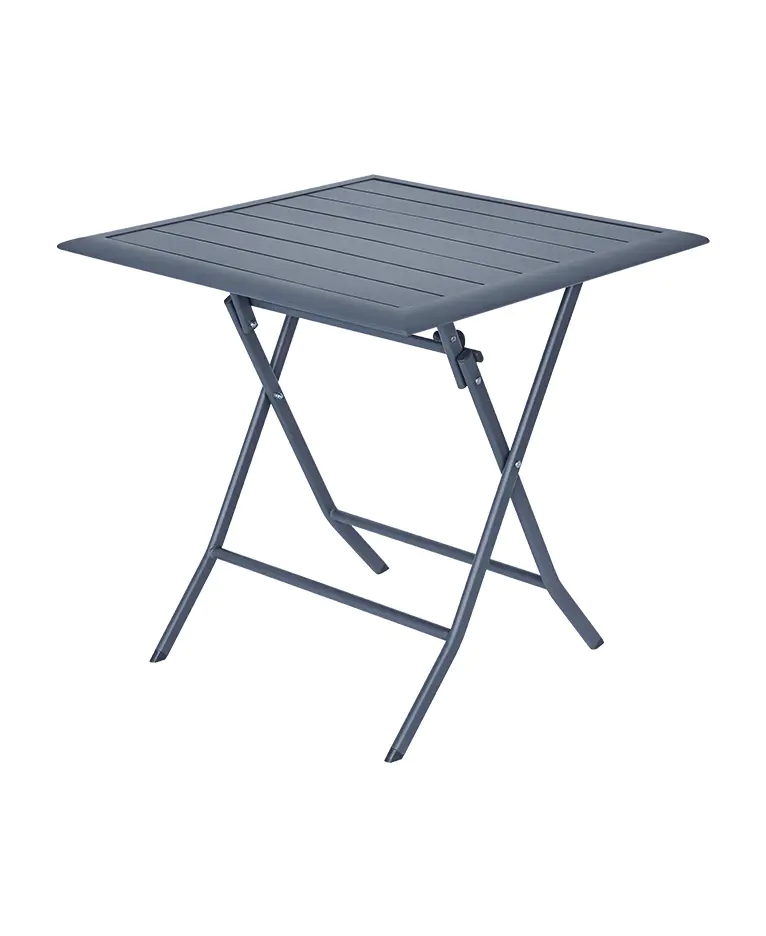
Changing Expectations in Outdoor Rest Spaces
Outdoor seating areas used to be organized mainly for short stays or transitional use, such as waiting zones or social gathering points. Over time, usage patterns have changed. People now spend longer periods outdoors for rest, reading, remote work, or light social interaction.
In this context, discomfort caused by uneven seating angles, heat retention on surfaces, or poorly positioned layouts becomes more noticeable. Many traditional outdoor setups were not designed for extended use cycles, especially under direct sunlight or fluctuating weather conditions.
Another factor is spatial fragmentation. Some outdoor areas are visually appealing but lack structured seating zones. This can cause underused corners or overcrowded central areas. Without clear spatial planning, outdoor environments may not fully support varied user behavior.
Structural Adjustments in Modern Outdoor Seating Design
Modern Patio Chair Set designs have gradually shifted toward more structured forms that respond to environmental conditions and usage duration. Instead of focusing on visual variation alone, recent updates in High End Modern Outdoor Furniture emphasize material behavior, weight balance, and layout adaptability.
These adjustments are reflected in several practical design directions:
- Frame construction often uses coated metal structures that maintain stability in outdoor exposure
- Seating surfaces are designed with breathable or quick-drain materials to handle moisture from rain or humidity
- Chair angles are adjusted to support longer sitting periods without requiring frequent repositioning
- Modular layouts allow multiple chairs to be arranged into small group zones or separated into individual corners
- Surface textures are selected to reduce heat retention under direct sunlight exposure
Rather than introducing complexity, these design elements are aimed at aligning furniture behavior with outdoor usage conditions. This allows seating areas to remain functional across different times of day and seasonal changes.
How Wellness Corners Are Formed in Outdoor Layouts
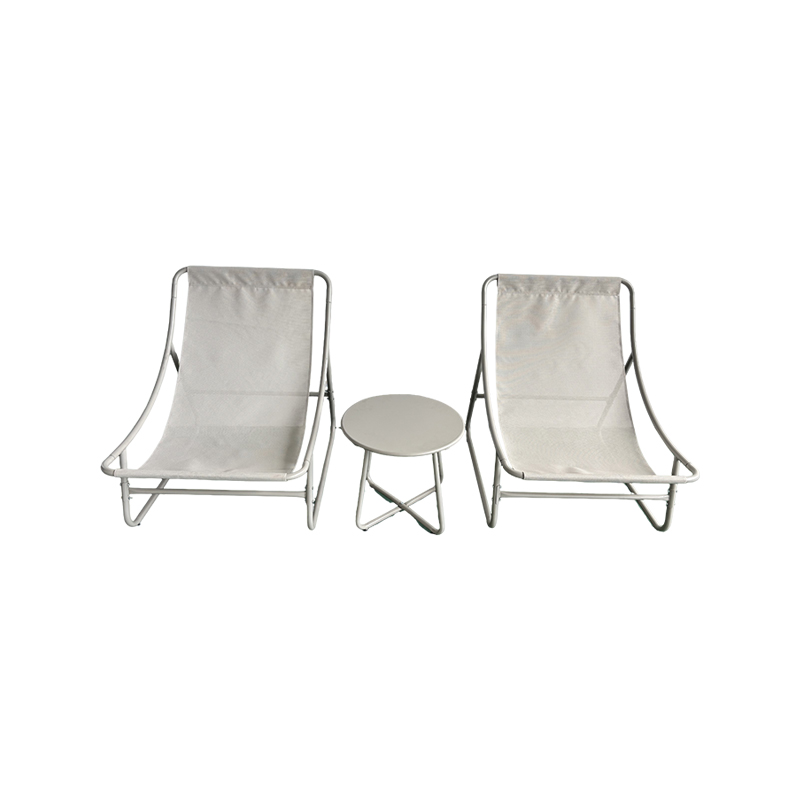
Outdoor wellness corners are not defined by furniture alone. They are created through a combination of seating placement, surrounding elements, and spatial rhythm. A Modern Patio Chair Set is often used as the base unit in these configurations because it can be positioned individually or grouped depending on the intended use.
In many layouts, chairs are placed near natural or architectural boundaries such as plant walls, pergolas, or low partitions. This creates a sense of partial enclosure without fully closing the space. High End Modern Outdoor Furniture is often paired with side tables or low-profile elements to support longer stays without overcrowding the area.
A typical wellness corner setup may include:
- One or two seating units arranged at angled positions rather than straight alignment
- Moderate spacing between chairs to avoid visual congestion
- Placement near shade sources to reduce direct exposure variation
- Soft transition zones between walking paths and seating areas
These configurations support different usage types, from quiet individual rest to low-intensity conversation, without requiring major structural changes to the environment.
Observations from Outdoor Space Implementation
In a mid-scale residential garden project, a structured seating layout using Modern Patio Chair Set units was introduced across several outdoor zones, including shaded corners and semi-open terraces. The arrangement included both single seating positions and paired configurations depending on available space and natural light conditions.
After a seasonal usage cycle, several operational observations were recorded:
- Seating positions placed near shaded vegetation areas were used more frequently for extended rest periods
- Chairs positioned in open sunlight zones were more often used for shorter visits or transitional stops
- Rearrangement of seating units allowed the same space to support both social and individual usage patterns
- Surface cleaning routines remained consistent without significant variation across different zones
- Users tended to gravitate toward areas with partial enclosure rather than fully open layouts
These observations suggest that furniture placement has a strong influence on how outdoor spaces are actually used, even when the overall design remains unchanged.
Role of Outdoor Furniture in Wellness-Oriented Design Planning
High End Modern Outdoor Furniture is increasingly considered part of spatial planning rather than a separate furnishing category. In wellness-oriented environments, seating is linked with behavioral outcomes such as relaxation duration, spatial preference, and movement patterns.
Designers often evaluate how furniture placement interacts with environmental elements like airflow, sunlight direction, and surrounding vegetation. This helps define zones that feel more suitable for slower-paced activities compared to general circulation areas.
At the same time, Modern Patio Chair Set configurations support flexibility in design updates. As usage patterns evolve, seating can be repositioned without altering the broader structure of the outdoor space. This adaptability is particularly relevant in environments where seasonal or event-based changes are common.
FAQ: Outdoor Wellness Seating and Patio Chair Systems
Q1: What defines a wellness corner in outdoor design?
A wellness corner is typically a small outdoor seating area arranged for low-intensity activities such as resting, reading, or quiet conversation, often positioned with partial environmental protection.
Q2: Why is seating arrangement important in outdoor wellness areas?
Seating arrangement influences how users interact with space, including how long they stay, which areas they prefer, and how comfortably they can adjust their position over time.
Q3: Can Modern Patio Chair Set units be used in small outdoor spaces?
Yes, they are often used in compact layouts because they can function individually or as part of grouped arrangements depending on available space.
Contact Us
Your email address will not be published. Required field are marked*
Categories
- Company News(1)
- Industry News(27)
Product Category
Maybe there are products
that interest you




Our Products
Folding Chairs Saucer Chairs Outdoor Lounge Chairs Outdoor Tables Patio & Outdoor Furniture SetsKeep In Touch


Contact Us
Copyright © Wuyi Dingyue Leisure Products Co., Ltd. All Rights
Reserved
 Outdoor Table And Chair Sets Factory