
 English
  Français
  Deutsch
  italiano
Modern Patio Chair Set Enhances Rooftop Dining Experiences Comfortably
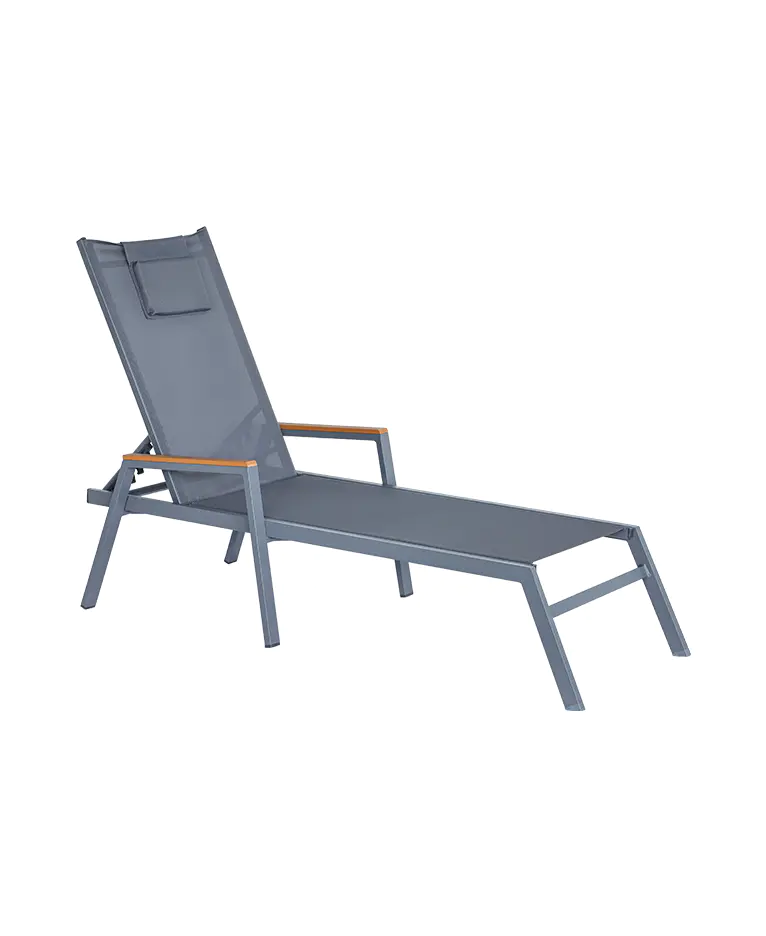
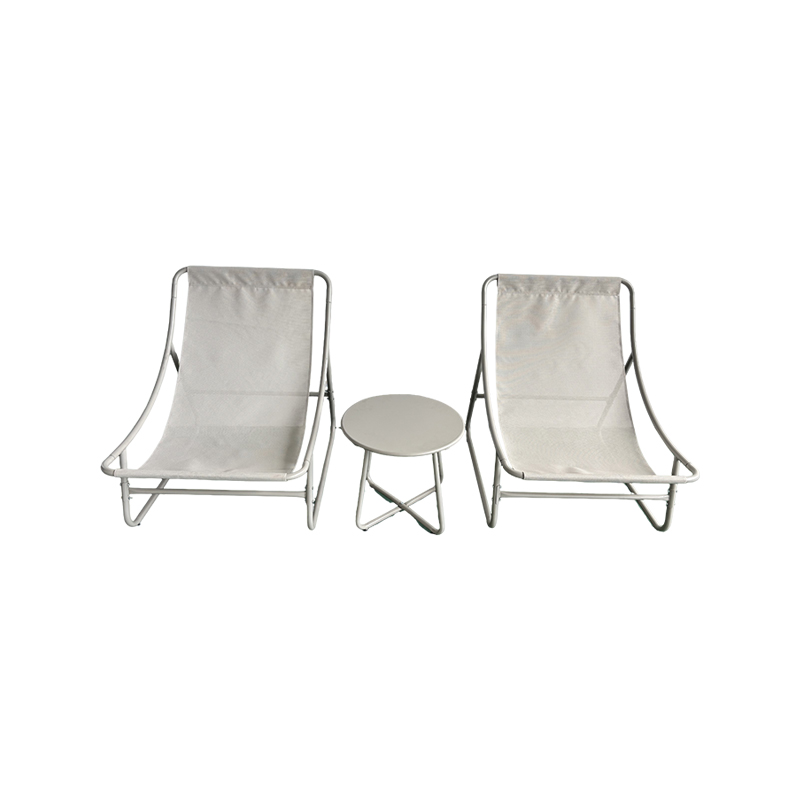
May 22, 2026Modern Patio Chair Set and High End Modern Outdoor Furniture are increasingly used in rooftop dining environments where space efficiency, seating stability, and environmental adaptability directly influence guest experience. As rooftop areas become more common in urban hospitality design, furniture selection is closely tied to how dining spaces handle wind exposure, temperature variation, and compact layout requirements.
Rooftop dining settings introduce conditions that differ from ground-level restaurants. Seating must remain stable on elevated platforms, layouts need to accommodate limited floor area, and materials must respond to stronger sunlight and airflow changes throughout the day. These factors shape how outdoor furniture is integrated into dining operations.
Structural Challenges in Rooftop Dining Environments
Rooftop dining spaces often combine open-air exposure with restricted spatial planning. Unlike indoor dining rooms, seating arrangements are directly affected by weather changes, including wind shifts and direct sun exposure during peak hours. These conditions can influence both comfort perception and operational consistency.
Another factor is structural limitation. Rooftop layouts usually involve load considerations, fixed access points, and safety boundaries, which reduce flexibility in furniture placement. As a result, seating systems must adapt to predefined zones without creating visual or functional congestion.
Noise levels and environmental reflections also play a role. Hard surfaces on rooftops can amplify sound, making seating comfort not only a physical issue but also a spatial one. Without proper layout planning, dining areas may feel uneven in experience across different sections.
Design Adjustments in Modern Outdoor Seating Systems
Modern Patio Chair Set configurations have gradually evolved to match rooftop usage conditions. Instead of focusing only on visual styling, High End Modern Outdoor Furniture now incorporates structural balance, weight control, and environmental response features that support extended outdoor dining use.
Key design considerations include:
- Frame structures designed for stable placement on flat rooftop surfaces with exposure to wind movement
- Lightweight but reinforced materials that support easy repositioning without affecting structural balance
- Seating surfaces designed for airflow circulation to reduce heat accumulation during prolonged seating
- Modular grouping options that allow flexible dining table arrangements for different guest volumes
- Surface treatments that help maintain consistency under UV exposure and changing weather conditions
These elements work together to align furniture behavior with rooftop dining requirements. Rather than introducing complexity, the focus remains on supporting functional use across different service periods.
Rooftop Dining Layouts and Guest Flow Integration
Rooftop dining spaces often require careful segmentation between circulation paths, dining zones, and service areas. A Modern Patio Chair Set is frequently used as a base unit because it can be arranged into structured clusters without disrupting movement flow.
In many layouts, seating is positioned to balance open views with environmental protection. Chairs may be placed near windbreak structures such as glass panels or partial walls, while still maintaining visibility of the surrounding cityscape. High End Modern Outdoor Furniture is often paired with lightweight tables to maintain visual consistency across different seating groups.
A typical rooftop dining arrangement may include:
- Linear seating rows along perimeter zones to reduce wind exposure
- Clustered seating near central dining service points for efficient table turnover
- Mixed spacing arrangements that allow both small and medium group seating
- Transitional seating zones near entry points for waiting or short-term use
These layout strategies help manage guest distribution without requiring constant structural changes during operation hours.
Operational Observations from Rooftop Installations
In a mid-rise urban hospitality project, a rooftop dining area was configured using a standardized Modern Patio Chair Set system across multiple seating zones. The layout included both open-air seating and semi-sheltered areas to address different environmental conditions throughout the day.
After several months of operation, the following observations were recorded by on-site management teams:
- Seating areas closer to wind-protected zones maintained more consistent guest occupancy during evening hours
- Chairs placed in direct sunlight zones were used more frequently during early morning and late afternoon periods
- Modular seating arrangements allowed staff to adjust table configurations between lunch and dinner service without structural changes
- Maintenance routines remained consistent across zones, with minor variations depending on exposure levels
- Guests showed preference for seating areas that balanced open views with partial environmental shielding
These observations highlight how furniture placement and environmental interaction directly influence usage patterns in rooftop dining environments.
Role of Outdoor Furniture in Urban Dining Space Development
High End Modern Outdoor Furniture is increasingly integrated into rooftop dining design as part of broader urban space utilization strategies. Rather than treating furniture as a separate layer, it is now considered part of spatial planning that influences circulation, seating duration, and guest distribution.
In dense urban areas, rooftops often serve multiple functions, including dining, social gatherings, and event hosting. A Modern Patio Chair Set supports this multifunctional use by allowing seating arrangements to shift between structured dining setups and more open configurations depending on operational needs.
At the same time, furniture selection also contributes to long-term spatial consistency. When seating systems maintain uniform design language across different rooftop zones, the overall environment appears more coordinated, even when layouts are adjusted frequently.
Contact Us
Your email address will not be published. Required field are marked*
Categories
- Company News(1)
- Industry News(27)
Product Category
Maybe there are products
that interest you




Our Products
Folding Chairs Saucer Chairs Outdoor Lounge Chairs Outdoor Tables Patio & Outdoor Furniture SetsKeep In Touch


Contact Us
Copyright © Wuyi Dingyue Leisure Products Co., Ltd. All Rights
Reserved
 Outdoor Table And Chair Sets Factory