
 English
  Français
  Deutsch
  italiano
Modular Layout Ideas: High End Modern Outdoor Furniture Urban Spaces
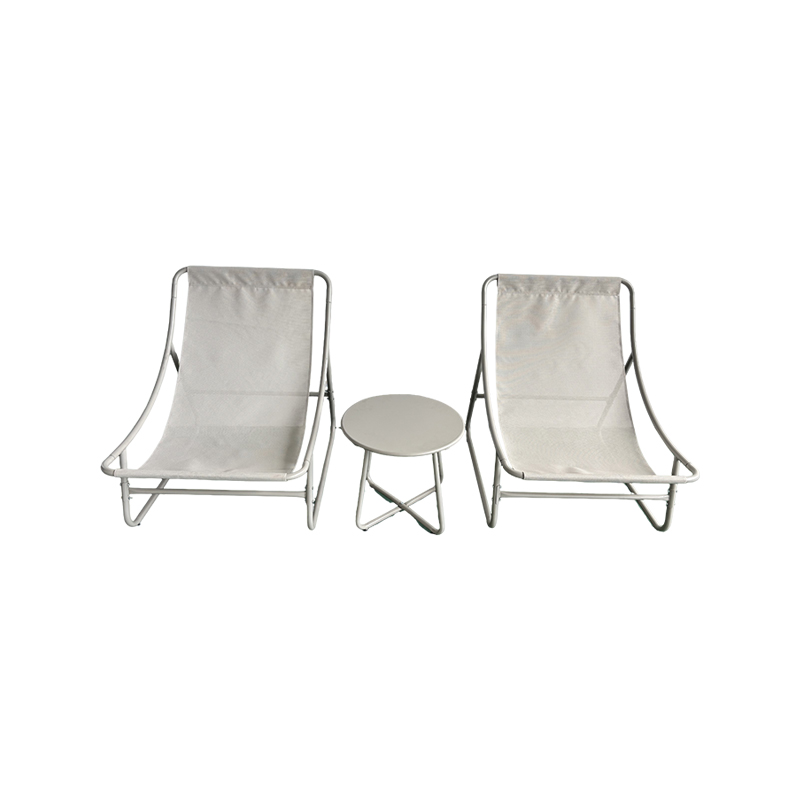
May 29, 2026Modern Patio Chair Set and High End Modern Outdoor Furniture are increasingly being used in modular urban space planning where seating arrangements need to adapt to changing population flow, limited ground area, and mixed-use functions. As cities continue to densify, outdoor environments such as plazas, rooftop terraces, commercial courtyards, and shared public zones are being designed with flexible furniture systems rather than fixed seating structures.
Modular layouts allow urban outdoor areas to shift between different uses throughout the day, such as casual resting zones in the morning, dining or social areas in the afternoon, and event-oriented spaces in the evening. This flexibility has made seating systems an essential part of spatial planning rather than a secondary furnishing layer.
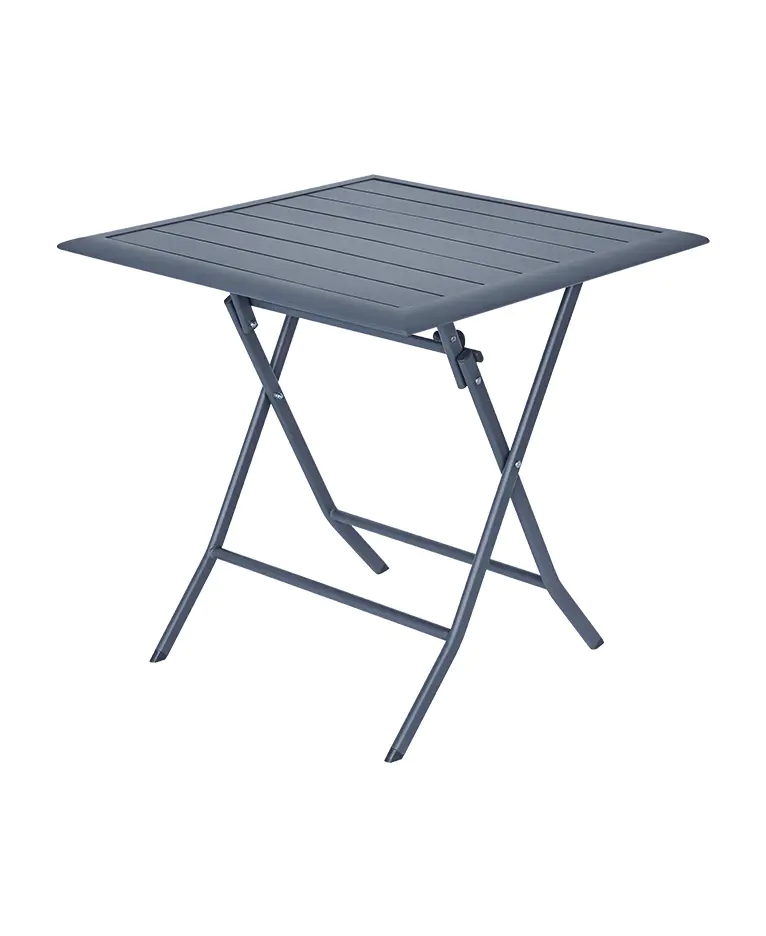
Urban Space Constraints and Layout Limitations
Urban outdoor environments often operate within strict spatial boundaries. Unlike suburban or resort-style settings, city spaces must balance pedestrian circulation, emergency access routes, commercial activity zones, and resting areas within a limited footprint.
One of the main challenges is unpredictable usage density. A seating area may remain lightly used during certain hours and become heavily occupied during lunch breaks, weekends, or public events. Fixed seating arrangements can struggle to respond to these fluctuations.
Environmental exposure is another factor. Urban plazas and open courtyards are often surrounded by reflective surfaces such as glass buildings or concrete structures, which can intensify heat and affect comfort levels. Wind channels formed between buildings can also influence how seating is positioned.
Without adaptable furniture systems, these conditions may cause underused corners or overcrowded central areas, reducing the functional balance of the space.
Modular Design Logic in Modern Outdoor Seating Systems
Modern Patio Chair Set configurations are increasingly designed with modular principles that allow rearrangement without structural complexity. High End Modern Outdoor Furniture in this context focuses on compatibility between individual seating units and larger spatial configurations.
The design logic typically follows three directions:
|
Design Aspect |
Functional Focus |
Urban Use Relevance |
|
Modular Frame Structure |
Allows reconfiguration of seating groups |
Supports changing crowd density |
|
Lightweight Construction |
Enables frequent repositioning |
Suitable for multi-purpose spaces |
|
Uniform Design Language |
Maintains visual consistency |
Keeps urban aesthetics coordinated |
|
Stackable or Alignable Units |
Reduces space usage during off-hours |
Improves storage efficiency |
Instead of relying on fixed placement, these systems support continuous adjustment based on usage patterns. Chairs can be arranged into linear rows for structured seating, circular groups for social interaction, or dispersed layouts for individual resting zones.
Flexible Layout Strategies in Urban Planning
Urban designers often use High End Modern Outdoor Furniture as a tool for zoning open spaces without permanent physical barriers. A Modern Patio Chair Set can define spatial function through arrangement alone, allowing one area to serve multiple roles throughout the day.
Common modular layout strategies include:
- Linear alignment along pedestrian pathways for short-term seating
- Clustered arrangements near commercial storefronts or café zones
- Open spacing near green areas to support relaxation or low-density use
- Temporary event configurations that expand or contract seating capacity
These layouts are not fixed. Instead, they are adjusted based on seasonal demand, weather conditions, and scheduled urban activities such as markets or outdoor exhibitions.
In many projects, furniture repositioning is handled by facility teams rather than requiring structural changes to the site, which supports operational flexibility without construction work.
Application Scenarios in Real Urban Environments
Modular outdoor seating systems are used across multiple urban contexts, each with slightly different functional priorities. In commercial plazas, seating often supports both short breaks and informal meetings. In rooftop public spaces, arrangements shift between daytime rest areas and evening social zones. In transit-adjacent courtyards, seating supports waiting patterns with frequent turnover.
A typical urban installation using a Modern Patio Chair Set may include segmented zones such as:
- Transit buffer seating near entrances and exits
- Social clusters positioned near food or retail outlets
- Quiet corners near landscaping elements or shaded structures
- Flexible open zones reserved for temporary events or installations
High End Modern Outdoor Furniture in these environments is not limited to visual consistency but is closely tied to movement patterns and space utilization behavior.
Field Example: Urban Courtyard Reconfiguration
In a mixed-use urban courtyard project, a modular seating system was introduced to support both weekday commuter flow and weekend community activities. The layout included approximately 80 seating units distributed across three flexible zones.
Over a six-month operational period, the following patterns were recorded:
- Weekday usage concentrated around perimeter seating near commercial entrances
- Weekend activities shifted seating demand toward central open areas
- Modular repositioning allowed staff to reallocate seating density within 30–60 minute intervals during peak hours
- Zones with adjustable spacing showed more balanced occupancy compared to fixed seating sections
- Event days required full reconfiguration of seating layout without replacing core units
These observations highlight how modular furniture systems can respond to varying urban usage cycles without structural redevelopment.
Contact Us
Your email address will not be published. Required field are marked*
Categories
- Company News(1)
- Industry News(27)
Product Category
Maybe there are products
that interest you




Our Products
Folding Chairs Saucer Chairs Outdoor Lounge Chairs Outdoor Tables Patio & Outdoor Furniture SetsKeep In Touch


Contact Us
Copyright © Wuyi Dingyue Leisure Products Co., Ltd. All Rights
Reserved
 Outdoor Table And Chair Sets Factory