
 English
  Français
  Deutsch
  italiano
New Trends in Outdoor Furniture Procurement: A Breakdown of the Selection Logic Focused on Durability and Long-Term Practicality
Jun 12, 2026The discussion around outdoor living spaces keeps advancing, as more purchasers explore procurement channels including outdoor table and chair set manufacturers, compare long-lasting patio furniture available for sale, and assess discounted modern patio chair sets for both residential and commercial scenarios. Such purchasing priorities signal a notable shift toward rational, practical buying standards, where durability, material composition and long-term serviceability outweigh mere aesthetic appeal.
Changing Expectations In Outdoor Furniture Procurement
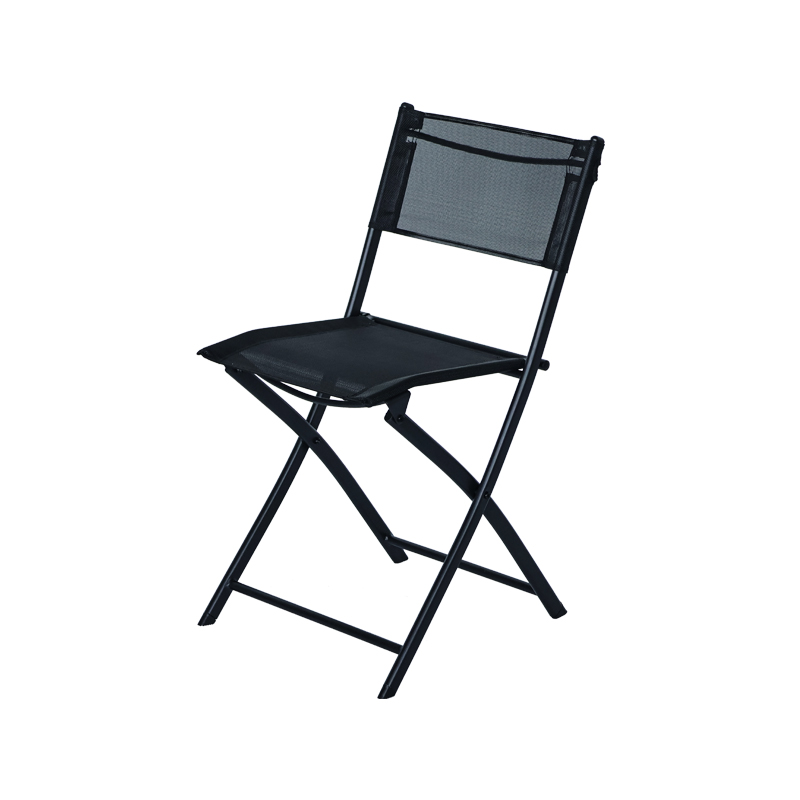
Outdoor furniture is no longer viewed as a disposable seasonal item. Today’s buyers pay close attention to product performance under sustained exposure to intense sunlight, high humidity and drastic temperature swings. This market shift has reshaped the design and production logic of table and chair sets among manufacturers, with structural stability and all-weather resistance becoming core development priorities.
Manufacturers have correspondingly adjusted their production workflows to cater to upgraded buyer demands. Powder-coated metal frames, UV-stabilized synthetic plastics and surface-treated timber have become mainstream standard configurations. These material selections are far more than decorative choices: they directly determine the furniture’s replacement cycle, a critical concern for both private homeowners and bulk purchasers such as hospitality industry operators.
What Defines Long-Lasting Patio Furniture In Practice
When assessing durable patio furniture, product longevity cannot be judged by material labels alone. Its service life is jointly determined by structural engineering details, environmental adaptability and daily maintenance regimens.
For instance, aluminum frames are widely adopted for their anti-corrosion properties, yet frame thickness and joint assembly techniques dictate load-bearing capacity and endurance against frequent use. Similarly, synthetic rattan boasts moisture-proof merits, while its weaving density and internal supporting frameworks decide how quickly deformation occurs after prolonged use.
Buyers who only judge products by surface appearances often overlook these vital technical details. A more scientific evaluation method involves examining official product specifications, including frame wall thickness, connection craftsmanship (welded joints versus bolted assembly), and cushion fabric density. These technical parameters deliver an accurate reference for the furniture’s real-world performance over months or years of outdoor use.
How Factories Approach Material Selection And Testing
Manufacturers specializing in outdoor table and chair sets adopt standardized, systematic workflows for raw material screening and performance verification. All raw materials undergo rigorous testing covering tensile strength, anti-UV degradation capability and moisture tolerance. These lab tests simulate real outdoor operating conditions, enabling producers to identify structural defects before finished goods enter the market.
Metal frame protective coatings, for example, are subject to salt spray testing to measure anti-corrosion performance. Cushion textiles are tested for color fastness and wear resistance. Though carried out in controlled laboratory environments, these assessments serve as reliable benchmarks for predicting furniture durability under outdoor conditions.
Verifying whether suppliers implement such standardized testing allows buyers to steer clear of visually identical products with drastically inconsistent service lifespans.
Evaluating Modern Patio Chair Sets Beyond Design Trends
Discounted modern patio chair sets gain widespread popularity largely due to their streamlined silhouettes and versatile matching compatibility. Even so, visual design ought not to be the sole criterion for purchasing decisions.
To achieve minimalist lightweight aesthetics, modern chair lines often adopt lightweight raw materials, which may compromise overall stability in some cases. Purchasers should pay attention to weight distribution, leg structural design and anti-slip accessories, especially for placement on smooth surfaces such as ceramic tiles and wooden deck boards.
Ergonomic design is another non-negotiable factor. Seat depth, backrest inclination and cushion thickness collectively determine comfort during long periods of sitting. This factor carries extra weight for commercial venues, where customers may remain seated for hours on end.
Practical Considerations For Different Outdoor Environments
Outdoor spaces feature vastly different environmental stressors. Furniture that holds up well in shaded private gardens may fail to withstand harsh conditions on fully exposed rooftops or coastal patios.
For locations with intense year-round sunlight, UV resistance ranks as the top priority; materials prone to fading or embrittlement under persistent sun exposure will drastically shorten product service life. In humid or coastal zones, anti-corrosion performance takes precedence, due to constant salt spray and dampness.
Instead of relying on vague general product descriptions, buyers should match furniture technical parameters to local environmental conditions. This targeted matching effectively prevents premature wear and frequent replacements.
Cost Versus Longevity: A Balanced Perspective
Product pricing remains a key consideration during procurement, yet it must be weighed against expected service life. Low-cost alternatives appear budget-friendly at first glance, yet their short replacement cycles will drive up cumulative expenditure in the long run.
On the other hand, high price tags do not inherently guarantee superior durability. The core evaluation standard lies in dissecting the composition of total costs: raw material quality, sophisticated manufacturing workflows and strict quality testing standards, and confirming whether these attributes align with actual usage scenarios.
A comprehensive purchasing assessment balances upfront investment, regular maintenance costs and projected service lifespan. This mindset helps buyers strike a balance between budget limits and long-term asset value.
Maintenance Practices That Extend Furniture Lifespan
Even expertly constructed outdoor furniture relies on consistent proper care to retain stable performance. Maintenance protocols vary by material type, yet core routines include regular surface cleaning, dry storage during off-seasons and periodic structural inspections.
Metal frames require routine cleaning to wipe away dirt and residual moisture that accelerate rust formation. Wooden components need periodic sealing or oil treatment to stop cracking and splitting. Cushions should be stored in dry, ventilated spaces when unused to avoid mold growth and fabric deterioration.
Understanding these maintenance requirements prior to purchase enables buyers to select products matching their available time and willingness to conduct regular upkeep.
Supply Chain Transparency And Buyer Confidence
Full transparency across manufacturing and supply chains has grown increasingly important to modern purchasers. More buyers now seek full visibility into production origins, manufacturing processes and quality control standards.
Manufacturers that openly disclose raw material details, complete testing records and quality inspection protocols tend to build deeper trust with clients. Clear supply chain transparency also streamlines cross-product comparison, arming buyers with objective data to make informed choices.
For bulk commercial buyers including hotels and event venues, this level of production clarity is invaluable when planning long-term capital investments.
Customization Trends In Outdoor Furniture Manufacturing
Customization has become a fast-growing market trend, as buyers demand furniture tailored to unique spatial layouts and functional demands. Outdoor table and chair set manufacturers commonly offer customizable options covering dimensions, color tones and mixed material combinations to satisfy diverse project requirements.
This flexible production model delivers distinct advantages for commercial projects with strict brand unification and space matching demands.
Nevertheless, customized orders usually entail extended production lead times and extra customization fees, which purchasers must account for in advance project planning.
How Market Demand Influences Product Development
Rising market demand for durable, sale-ready patio furniture has reshaped manufacturers’ product development priorities. Instead of centering R&D purely on visual styling, brands now place greater focus on quantifiable performance indicators and end-user practical experience.
This market shift is reflected in the mainstream adoption of modular furniture layouts, allowing users to freely rearrange configurations, alongside hybrid composite materials that balance lightweight handling and robust durability. Such innovative designs directly address practical pain points faced by users operating in diverse outdoor environments.
As buyer market standards keep evolving, manufacturers will continue to refine product development strategies, striking a balanced equilibrium between aesthetic design and functional practicality.
Final Observations On Selecting Outdoor Furniture
Selecting suitable outdoor furniture extends far beyond picking a favored style or coordinating color palettes. It demands a thorough grasp of how raw materials, construction craftsmanship and local environmental conditions interact over years of use. Whether sourcing goods directly from outdoor table and chair set manufacturers or comparing discounted modern patio chair sets on the market, buyers’ core evaluation benchmark should always be whether a product fully satisfies its intended usage demands.
PREV: Elevate Outdoor Relaxation: Curate Bespoke Wellness Nooks with Modern Patio Chair Sets
NEXT: How to Shape Your Garden: Selecting a Factory for Outdoor Table and Chair Sets
Contact Us
Your email address will not be published. Required field are marked*
Categories
- Company News(1)
- Industry News(27)
Product Category
Maybe there are products
that interest you




Our Products
Folding Chairs Saucer Chairs Outdoor Lounge Chairs Outdoor Tables Patio & Outdoor Furniture SetsKeep In Touch


Contact Us
Copyright © Wuyi Dingyue Leisure Products Co., Ltd. All Rights
Reserved
 Outdoor Table And Chair Sets Factory