
 English
  Français
  Deutsch
  italiano
Elevate Outdoor Relaxation: Curate Bespoke Wellness Nooks with Modern Patio Chair Sets
Jun 19, 2026Modern patio chair sets and high-end contemporary outdoor furnishings are widely deployed across outdoor spaces centered on wellness, where seating design ties closely to resting habits, spatial comfort and environmental adaptability. As outdoor areas evolve into slow-living hubs—including reading nooks, meditation zones and casual relaxation spots—the structural design of furniture and overall spatial layout become core elements shaping these spaces.
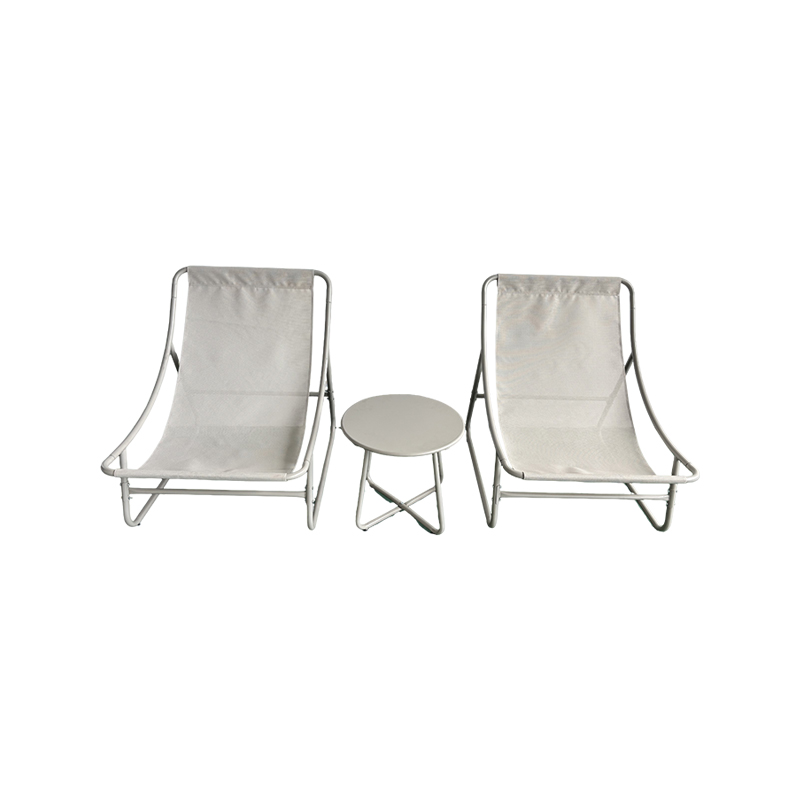
Outdoor wellness retreats are no longer mere decorative add-ons to buildings. Today, their layout takes full account of visitor circulation, sun exposure, seating spacing and long-duration sitting comfort. This design shift reshapes the layout and development logic of modern seating systems for residential yards, hospitality venues and shared public outdoor spaces alike.
Changing Expectations in Outdoor Rest Spaces
Outdoor seating zones were once primarily built for short stays or transitional activities, such as waiting areas and casual social gathering spots. Yet people’s outdoor usage habits have undergone dramatic changes. Modern users choose to spend extended time outdoors unwinding, reading, working remotely or engaging in light casual chats.
Against this backdrop, minor flaws like awkward seating angles, heat-absorbent surfaces and poorly planned layouts become far more noticeable. Most traditional outdoor furniture combinations were not engineered for prolonged use, especially under direct sunlight or erratic weather conditions.
Spatial fragmentation poses another key challenge. Many outdoor spaces boast attractive visuals yet lack well-defined seating zones. This results in underutilized quiet corners and overcrowded central areas. Without deliberate spatial planning, outdoor landscapes fail to fully accommodate diverse resting behaviors.
Structural Adjustments in Modern Outdoor Seating Design
Designs for modern patio chair sets have gradually adopted more structured forms tailored to varying outdoor environments and long-hour use. Instead of prioritizing aesthetic diversity alone, the latest iterations of high-end modern outdoor furniture focus heavily on material performance, weight balance and flexible layout compatibility.
These optimized design concepts translate into multiple practical design directions:
- Frame structures adopt coated metal frameworks to sustain stable performance under long-term outdoor exposure
- Seating surfaces utilize breathable or rapid drainage fabrics to cope with rainwater and ambient humidity
- Ergonomic chair backrest and seat angles support prolonged sitting without frequent posture adjustments
- Modular designs enable flexible combinations: chairs can be grouped into small social zones or separated into independent quiet corners
- Carefully selected surface textures effectively reduce heat accumulation under direct sunlight
Rather than adding unnecessary complexity, all these design tweaks align furniture performance with real-world outdoor usage demands. This ensures seating areas remain fully functional at all hours and throughout every season.
How Wellness Corners Are Formed in Outdoor Layouts
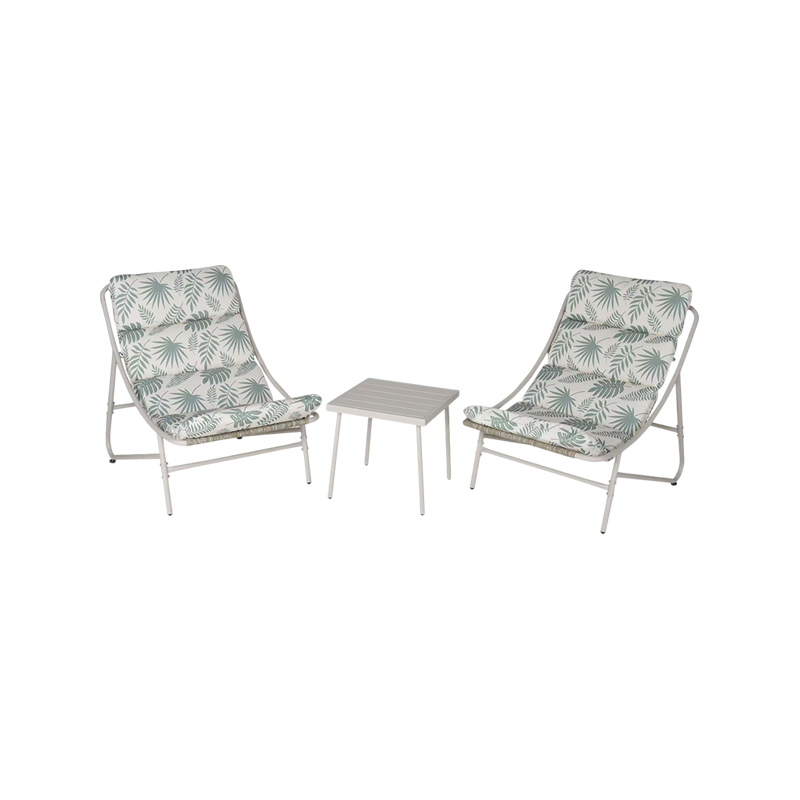
Wellness-focused outdoor corners rely on more than just furniture; they take shape through a harmonious combination of seating placement, surrounding landscape elements and balanced spatial rhythm. Modern patio chair sets serve as the foundational furnishing unit for such layouts, as single chairs or grouped combinations can be freely arranged to match different functional needs.
In most layout schemes, chairs are placed adjacent to natural or architectural boundaries—such as plant walls, pergolas and low partition screens. This creates a semi-enclosed private atmosphere without fully isolating the space. High-end modern outdoor furniture is often matched with side tables and low-profile decor to support long stays without cluttering the area.
A standard wellness corner layout typically features the following configurations:
- One or two chairs placed at staggered angles, rather than lined up straight
- Moderate gaps between seating units to avoid visual clutter
- Positioning close to shade structures to stabilize sunlight exposure levels
- Soft transition buffer zones separating pedestrian walkways and seating areas
Such layouts cater to diverse scenarios, from solo quiet relaxation to low-key casual conversations, without requiring large-scale renovations to the overall outdoor space.
Observations from Outdoor Space Implementation
A mid-sized residential garden project adopted structured seating layouts built around modern patio chair sets across multiple outdoor zones, including shaded nooks and semi-open terraces. Designers arranged single standalone seats and paired chair sets according to available space and natural light distribution.
After a full seasonal cycle of use, the project yielded the following practical observations:
- Seating units nestled beside shaded greenery saw far more frequent long-duration rest usage
- Chairs situated in fully open sunlit areas were mostly used for brief stops and transitional stays
- Reconfigurable modular seating allowed the same zone to switch between social gatherings and individual quiet time
- Surface cleaning maintenance remained consistent across all zones with no obvious performance differences
- Users consistently preferred semi-enclosed seating areas over fully exposed open layouts
These findings prove that furniture placement exerts a decisive impact on how outdoor spaces are actually utilized, even when the overall landscape structure stays unchanged.
Role of Outdoor Furniture in Wellness-Oriented Design Planning
High-end modern outdoor furniture is now regarded as an integral component of spatial planning, rather than a standalone furnishing category. For wellness-centric outdoor environments, seating design directly shapes user behaviors, including relaxation duration, spatial preference and movement routes.
Designers routinely analyze how furniture placement interacts with natural environmental factors such as air circulation, sunlight orientation and surrounding vegetation. This process helps carve out slow-living relaxation zones distinct from high-traffic passage areas.
Meanwhile, modular modern patio chair setups deliver flexible design scalability. When user activity patterns shift, seating can be rearranged freely without modifying the core outdoor landscape structure. This adaptability delivers exceptional value for spaces with regular seasonal adjustments or temporary event layouts.
FAQ: Outdoor Wellness Seating and Patio Chair Systems
Q1: What defines a wellness corner in outdoor design?
A wellness corner refers to a compact outdoor seating area dedicated to low-intensity activities including rest, reading and quiet conversations, usually equipped with partial natural or man-made shelter.
Q2: Why is seating arrangement important in outdoor wellness areas?
Seating layout dictates users’ interaction with the surrounding space, including their length of stay, preferred resting spots and overall positional comfort during long hours outdoors.
Q3: Can Modern Patio Chair Set units be used in small outdoor spaces?
Yes. These chair sets are widely applied to compact outdoor layouts, as single chairs or grouped combinations can be flexibly deployed to fit limited square footage.
PREV: Nice Patio Chairs Materials and Durability in Seasonal Weather Use
NEXT: New Trends in Outdoor Furniture Procurement: A Breakdown of the Selection Logic Focused on Durability and Long-Term Practicality
Contact Us
Your email address will not be published. Required field are marked*
Categories
- Company News(1)
- Industry News(27)
Product Category
Maybe there are products
that interest you




Our Products
Folding Chairs Saucer Chairs Outdoor Lounge Chairs Outdoor Tables Patio & Outdoor Furniture SetsKeep In Touch


Contact Us
Copyright © Wuyi Dingyue Leisure Products Co., Ltd. All Rights
Reserved
 Outdoor Table And Chair Sets Factory