
 English
  Français
  Deutsch
  italiano
Nice Patio Chairs Materials and Durability in Seasonal Weather Use
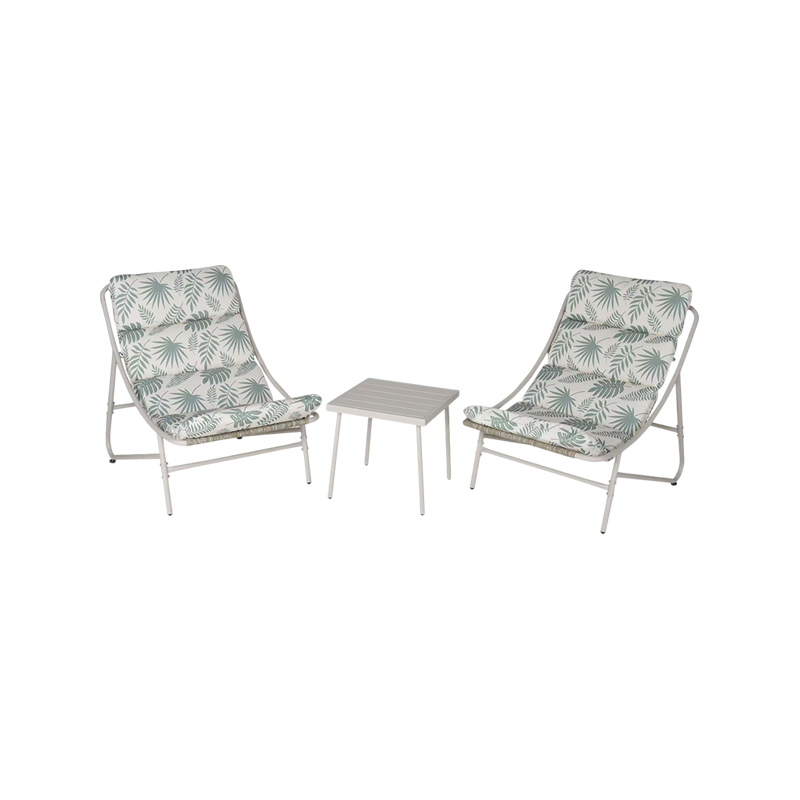
Jun 26, 2026Outdoor seating is an important part of garden, balcony, and patio environments, where comfort and appearance need to work together with long-term durability. Nice Patio Chairs are often chosen for these spaces because they can adapt to different outdoor styles and usage needs. Their real performance, however, depends largely on material selection and how well they handle seasonal weather changes such as heat, rain, humidity, and cold conditions.
Outdoor Conditions and Material Demands
Patio chairs are exposed to changing environments throughout the year. Sunlight, moisture, wind, and temperature shifts all influence how materials behave over time. These factors can slowly affect surface quality, structural stability, and overall comfort.
In sunny seasons, ultraviolet exposure can gradually impact surface coatings and color stability. During rainy periods, moisture may affect joints or unprotected surfaces. In colder weather, some materials may become less flexible, while repeated temperature changes can place stress on connections and frames. Because of these natural conditions, material selection becomes a key factor for outdoor use.
Metal Frames and Structural Performance
Metal is widely used in patio chair frames due to its strong support capability. Aluminum and steel are two common choices. Aluminum is relatively lightweight and easier to move, making it suitable for flexible outdoor layouts. Steel, on the other hand, provides a heavier and more stable structure that performs well in open or windy spaces.
To improve outdoor adaptability, metal surfaces are often treated with protective coatings. These layers help reduce direct contact with moisture and air, slowing down corrosion risk. Over time, proper surface protection supports more stable performance across different seasons.
Plastic and Resin-Based Materials
Plastic and resin materials are frequently used in modern outdoor furniture due to their low maintenance needs and moisture resistance. These materials do not absorb water easily, which helps them perform well in rainy or humid environments.
They are also relatively stable under normal temperature changes. However, long-term exposure to strong sunlight may gradually affect surface texture or color, depending on material quality and protective additives. Their lightweight nature makes them easy to rearrange or store when seasonal conditions change.
Wooden Chairs and Environmental Sensitivity
Wood brings a natural and warm appearance to outdoor spaces, making it a popular choice for garden-style settings. However, wood is more sensitive to environmental changes compared to other materials. It can absorb moisture during humid conditions and release it in dry environments, which may lead to slight dimensional changes.
To improve outdoor durability, wooden chairs are often treated with protective finishes. These coatings help reduce moisture penetration and slow down surface aging caused by sunlight exposure. Regular care is usually needed to maintain both appearance and structural condition over time.
Woven and Composite Material Options
Woven synthetic materials and composite structures are designed to offer both comfort and environmental resistance. Synthetic weaving materials are often used to replace natural fibers because they handle moisture and sunlight exposure more effectively.
Composite materials combine different elements to improve flexibility and structural balance. These materials can provide a stable seating experience while adapting to seasonal changes. In outdoor environments, they are often used in designs that aim to balance comfort with weather adaptability.
Seasonal Influence on Long-Term Use
Each season brings different challenges for outdoor furniture. Summer conditions often involve strong sunlight and higher temperatures, which may affect surface coatings. Rainy seasons increase moisture exposure, which can impact unprotected materials. Cold weather may reduce flexibility in some materials, especially plastics and untreated wood.
Because these conditions repeat over time, durability depends on how well materials respond to continuous environmental cycles rather than short-term performance alone.
Design Features Supporting Durability
Beyond material choice, structural design also plays an important role. Drainage-friendly shapes help prevent water accumulation, while reinforced joints improve stability under repeated use. Protective surface treatments reduce exposure to environmental stress.
Some designs also focus on easier maintenance, allowing users to clean or store chairs more conveniently during unfavorable weather periods. These structural improvements help extend usability across different seasons.
Choosing Suitable Patio Chairs for Outdoor Spaces
Selecting outdoor chairs depends on both environment and usage habits. In humid areas, moisture resistance becomes more important. In sunny locations, UV stability plays a larger role. In colder regions, structural resilience under temperature changes is more relevant.
For casual garden use, visual design and comfort may be priorities. For more exposed outdoor areas, stability and weather adaptability are more important. Matching material characteristics with local conditions helps maintain consistent performance throughout the year.
Material selection and environmental adaptability work together to determine how outdoor seating performs over time. Nice Patio Chairs show that durability is not based on a single factor, but on how materials, structure, and seasonal weather interact. A balanced approach to these elements helps ensure stable use across changing outdoor conditions without relying on absolute assumptions or extremes.
Contact Us
Your email address will not be published. Required field are marked*
Categories
- Company News(1)
- Industry News(27)
Product Category
Maybe there are products
that interest you




Our Products
Folding Chairs Saucer Chairs Outdoor Lounge Chairs Outdoor Tables Patio & Outdoor Furniture SetsKeep In Touch


Contact Us
Copyright © Wuyi Dingyue Leisure Products Co., Ltd. All Rights
Reserved
 Outdoor Table And Chair Sets Factory